
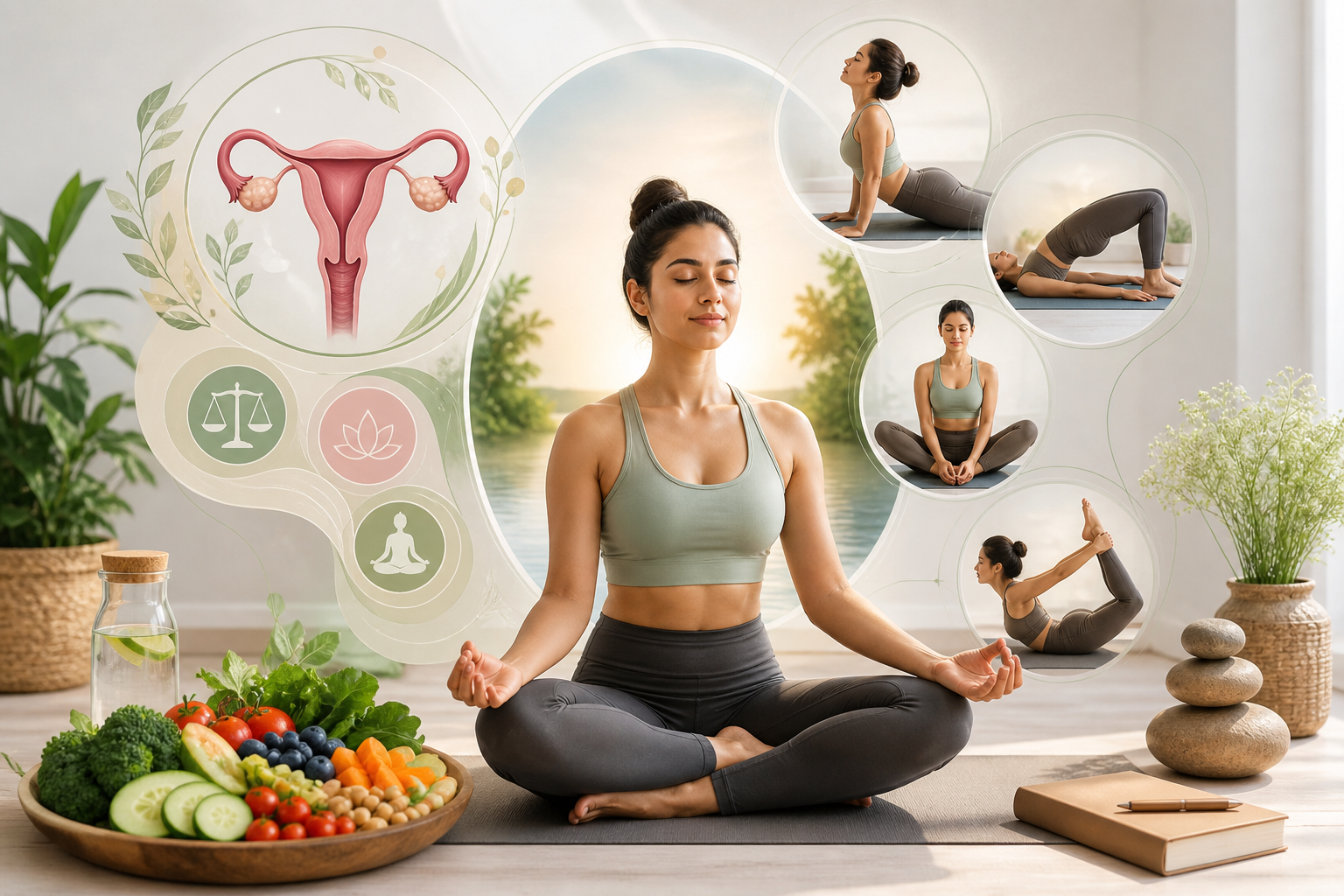
Millions of women worldwide are quietly fighting a battle they were never taught to expect — irregular periods, stubborn weight gain, unpredictable moods, and skin that seems to have its own agenda. If this sounds familiar, PCOS may be the cause. And while medicine has its essential role, there’s an ancient practice that’s gaining powerful scientific backing: yoga. Not just as exercise — but as a genuine hormonal reset tool.
Table of Contents
What Is PCOS — And Why Is It So Hard to Ignore?
Polycystic Ovary Syndrome (PCOS) is one of the most widespread hormonal conditions among women of reproductive age, yet it remains widely misunderstood — even by those living with it. At its core, PCOS is a condition where the ovaries produce excess androgens (male hormones), disrupting the body’s natural hormonal rhythm and causing the ovaries to develop small, fluid-filled follicles that may interfere with regular ovulation.
But PCOS is far more than a reproductive issue. It ripples outward, affecting everything from metabolism and mood to skin and sleep — which is why it demands a whole-body approach to management.
- 1 in 10 women of reproductive age live with PCOS globally
- 70% of women with PCOS go undiagnosed for years
- 3×higher risk of type 2 diabetes with untreated PCOS
- 40%of PCOS cases involve insulin resistance
Common symptoms to watch for
- Irregular, missed, or unpredictable menstrual cycles
- Weight gain concentrated around the abdomen
- Acne and excessively oily skin that doesn’t respond to regular skincare
- Excess facial or body hair (hirsutism)
- Thinning hair or hair loss at the crown
- Persistent mood swings, anxiety, and low energy
- Difficulty conceiving
Why does PCOS develop?
PCOS doesn’t have a single cause — it’s a complex interplay of genetics, lifestyle, and environment. Insulin resistance is a key driver in many cases: when cells stop responding efficiently to insulin, the pancreas produces more of it, which in turn triggers the ovaries to overproduce androgens. Chronic stress compounds the problem by elevating cortisol, which further disrupts hormonal balance. A sedentary lifestyle and poor dietary habits create a feedback loop that makes symptoms progressively worse.
Why Yoga Works Differently for PCOS Than Other Exercise
Here’s something most fitness advice misses: high-intensity exercise can actually spike cortisol levels in women with PCOS, temporarily worsening hormonal disruption. Yoga operates differently. It combines mindful movement, controlled breathwork, and relaxation to activate the parasympathetic nervous system — the body’s “rest and restore” mode — which is precisely where hormonal healing begins.
The word “yoga” comes from the Sanskrit root “yuj,” meaning to unite or join. It is not just a physical practice but a philosophy of creating harmony between mind, body, and nature — a harmony that PCOS fundamentally disrupts and yoga gently restores.
Studies have found that regular yoga practice in women with PCOS can reduce testosterone levels, lower BMI, and significantly improve menstrual regularity — often more effectively than conventional exercise alone. Yoga also outperforms other relaxation methods in reducing anxiety and depression scores in PCOS patients.
6 Evidence-Backed Benefits of Yoga for PCOS
- Hormonal rebalancing — Specific asanas stimulate the endocrine glands, encouraging balanced secretion of hormones including oestrogen, progesterone, and insulin.
- Reduced insulin resistance — Yoga improves cellular insulin sensitivity, addressing one of PCOS’s primary underlying drivers.
- Cortisol control — Breathwork and meditation directly lower cortisol — the stress hormone that worsens PCOS symptoms when chronically elevated.
- Weight and metabolism support — Consistent practice stimulates the metabolic system, aiding in sustainable weight management without triggering stress responses.
- Improved pelvic circulation — Many asanas increase blood flow to the ovaries and uterus, supporting more regular menstrual cycles.
- Mental and emotional resilience — The mindfulness component of yoga helps break cycles of emotional eating, anxiety, and fatigue that PCOS often brings.
The Best Yoga Asanas for PCOS — With Step-by-Step Instructions
Hold each pose for 20–30 seconds and repeat 2–3 times. Always warm up for 5 minutes before starting.
1. Baddha Konasana — Butterfly Pose
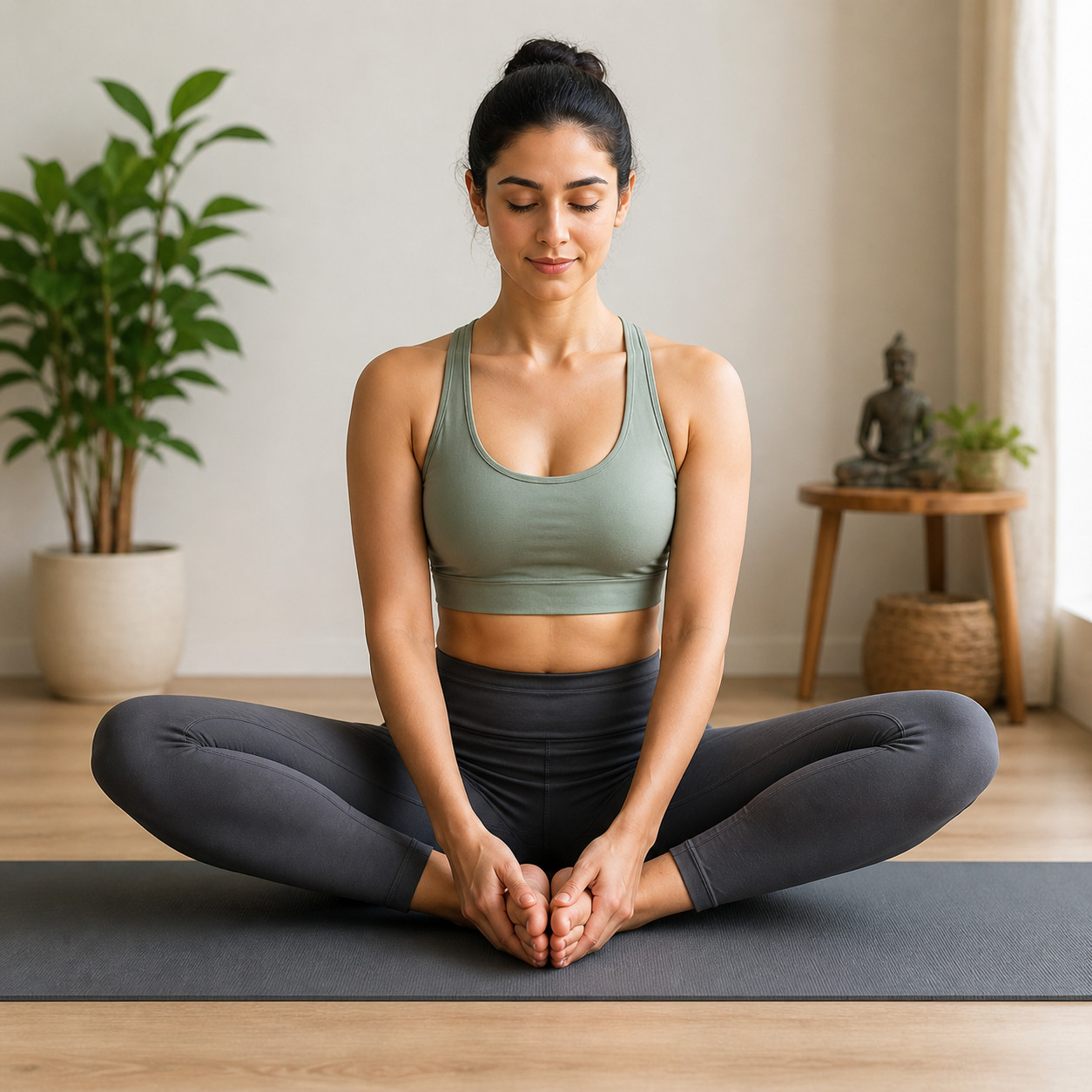
How to do it: Sit upright on the floor. Bring the soles of your feet together and let your knees fall outward. Gently flutter your knees up and down like butterfly wings. Keep your spine tall and breathe deeply.
2. Bhujangasana — Cobra Pose
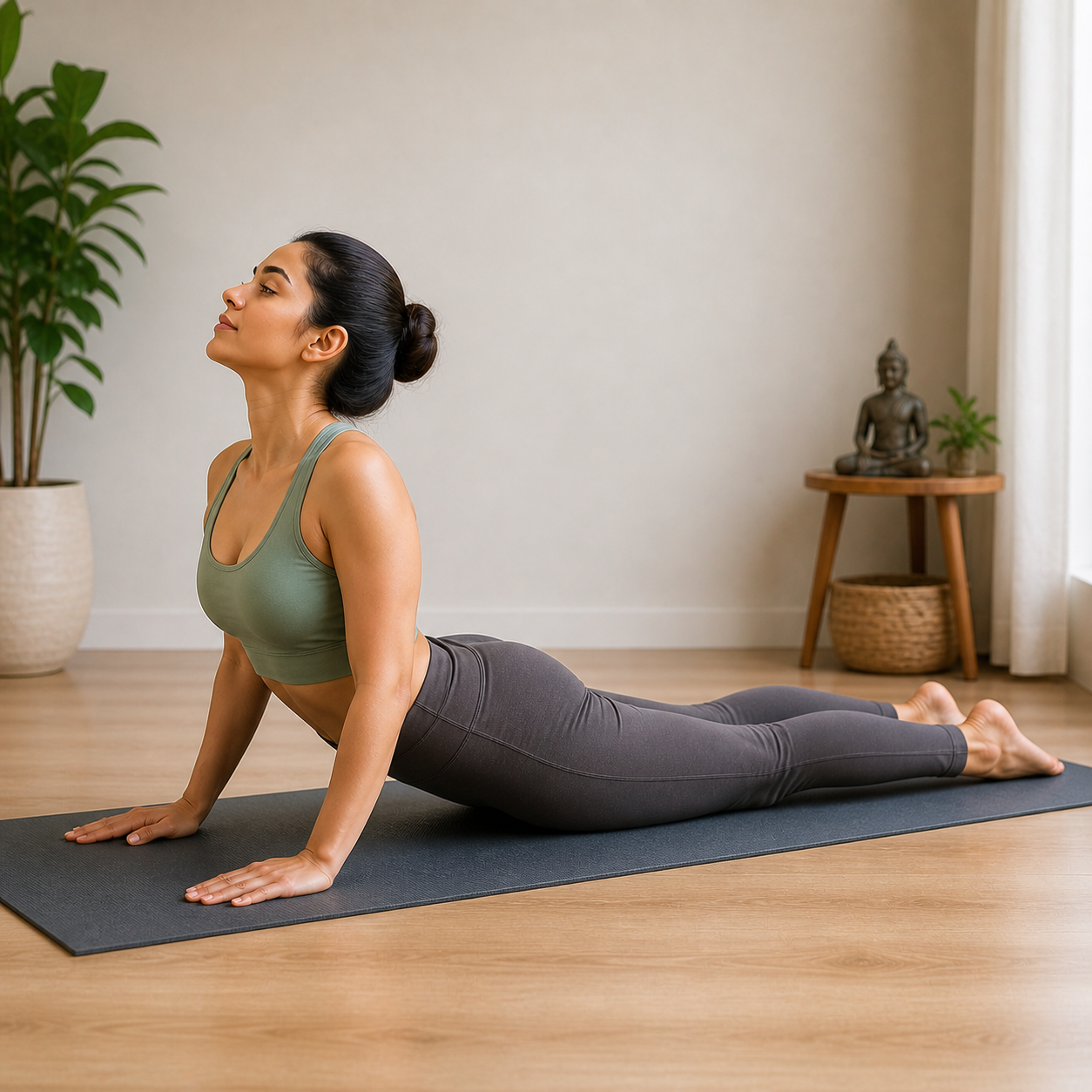
How to do it: Lie face down. Place palms flat under your shoulders. Inhale and gently lift your chest off the floor, keeping your elbows slightly bent. Hold, then release.
3. Setu Bandhasana — Bridge Pose
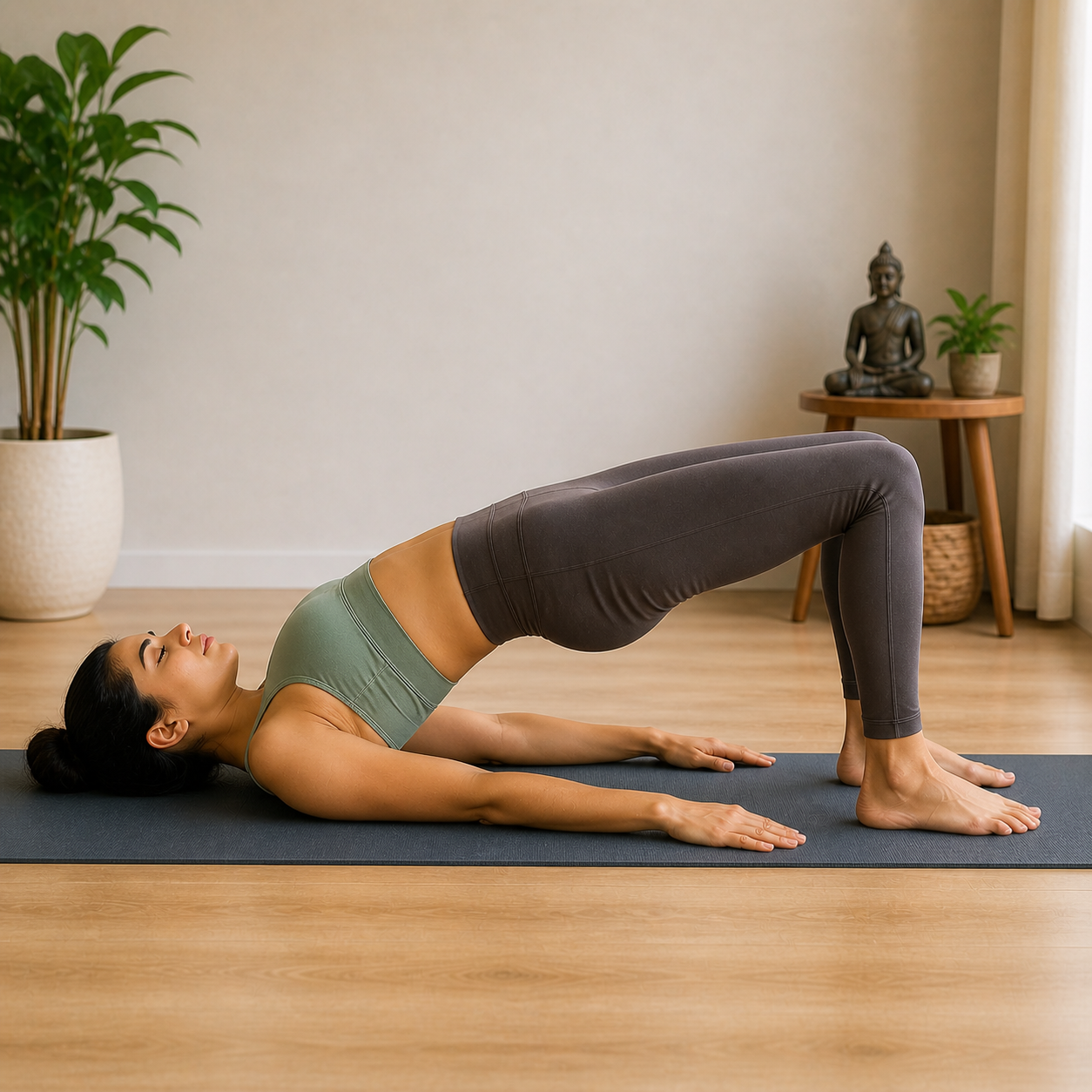
How to do it: Lie on your back, bend your knees, and place feet flat on the floor. Inhale and lift your hips toward the ceiling, pressing through your feet. Hold and breathe, then lower slowly.
4. Dhanurasana — Bow Pose
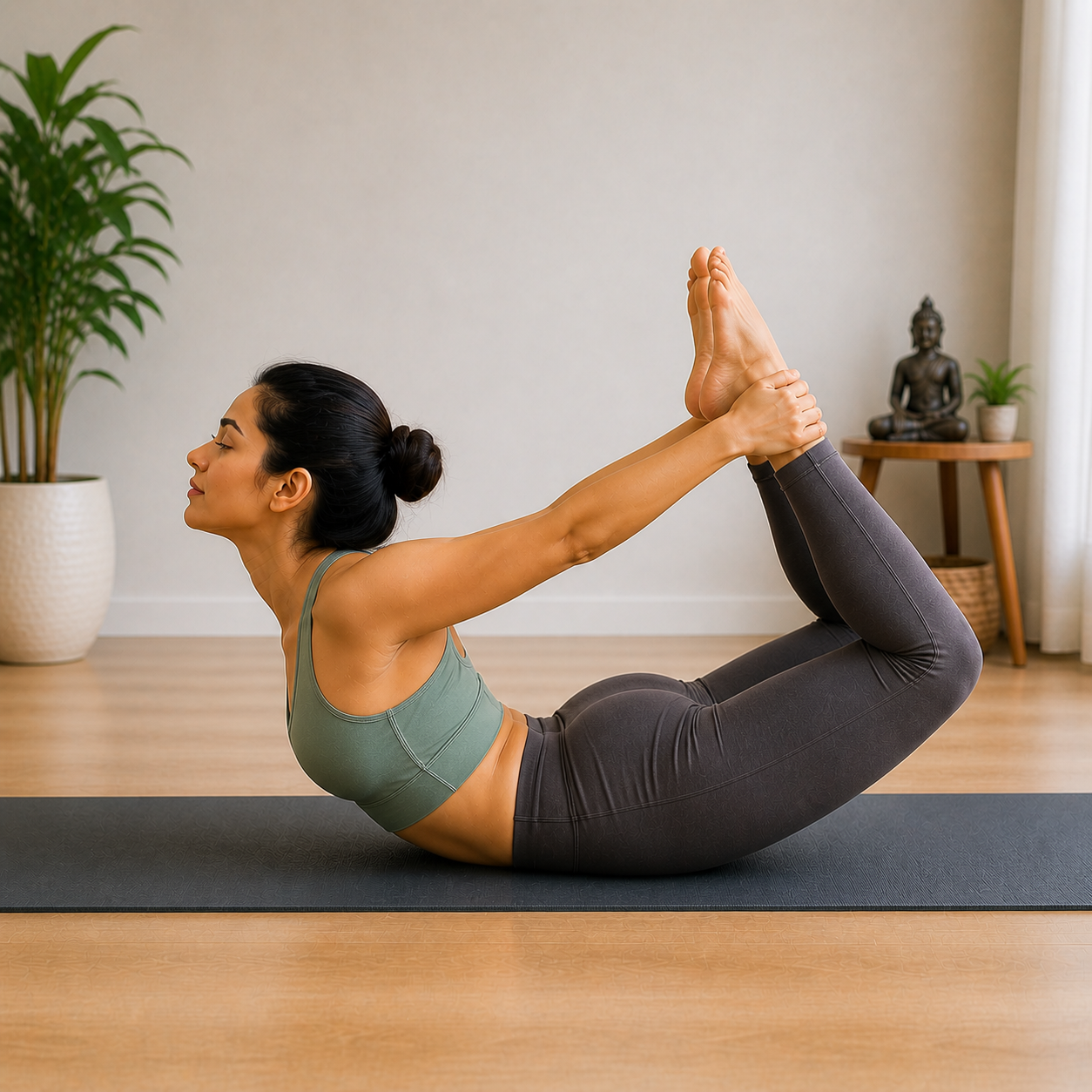
How to do it: Lie on your stomach. Bend your knees and reach back to hold your ankles. Inhale and simultaneously lift your chest and thighs off the ground. Hold and breathe steadily.
5. Supta Baddha Konasana — Reclining Bound Angle
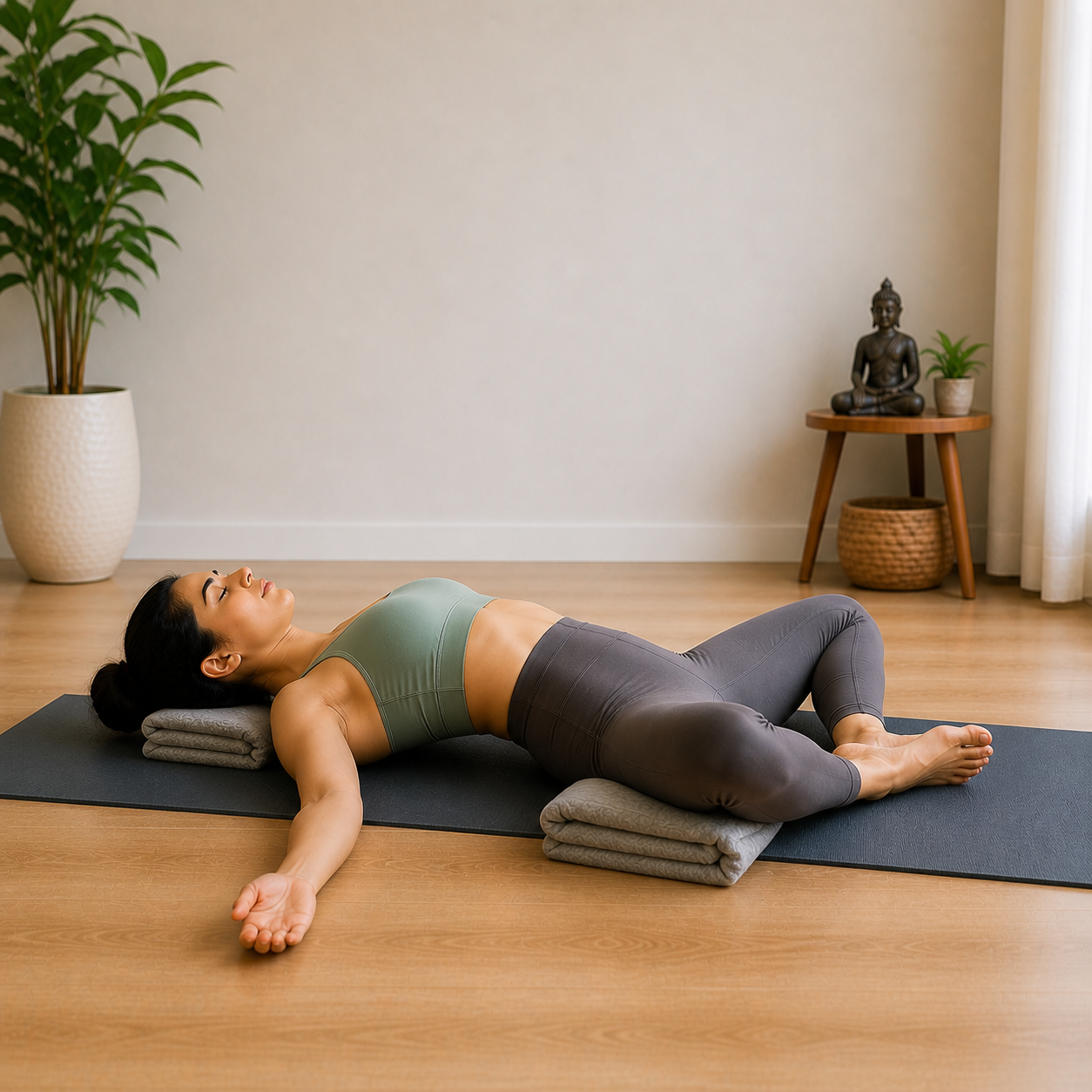
How to do it: Lie on your back and bring the soles of your feet together. Let your knees fall gently apart. Rest your arms beside you, palms facing up. Breathe slowly for 2–5 minutes.
6. Surya Namaskar — Sun Salutation
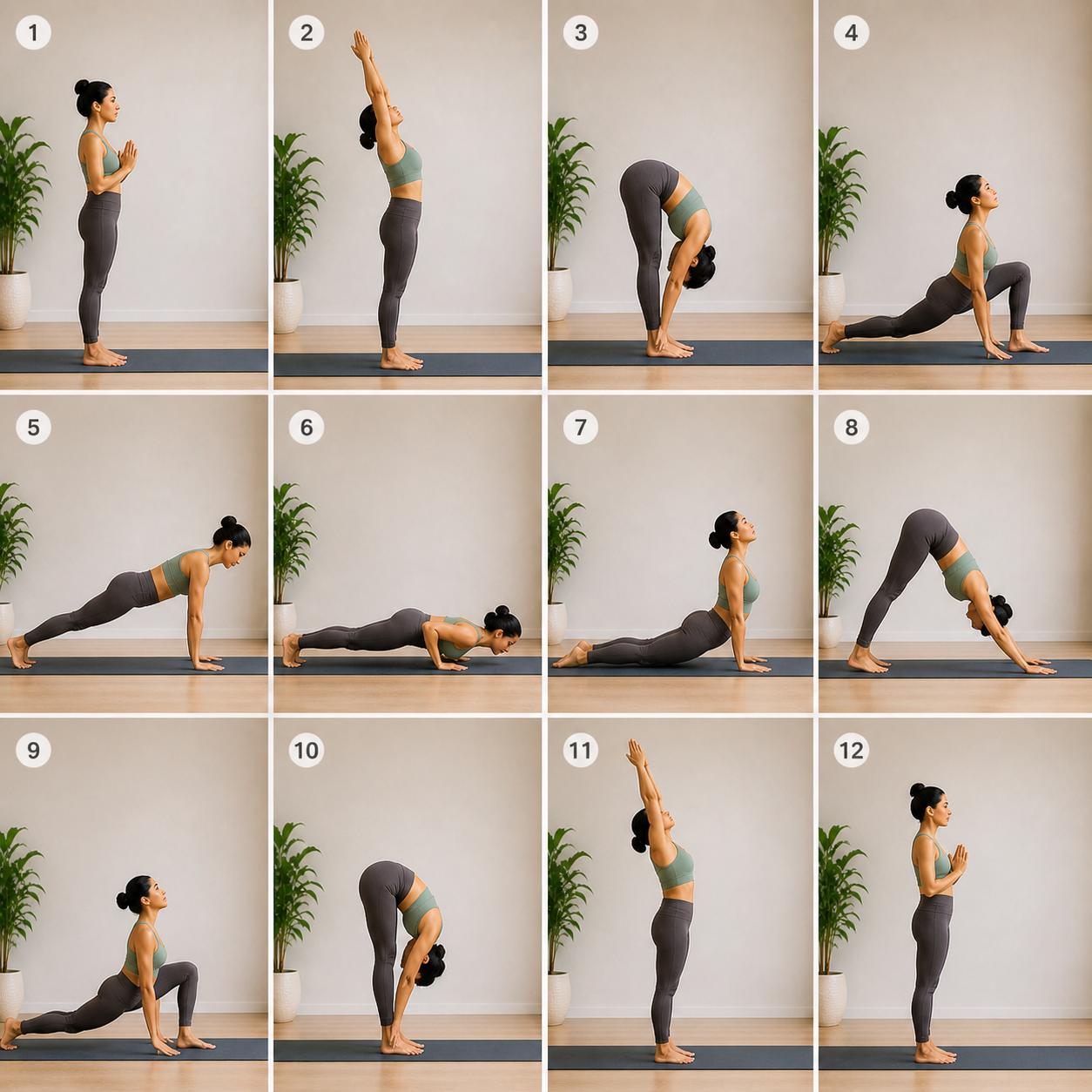
How to do it: Flow through all 12 steps slowly and mindfully, synchronizing each movement with a deep inhale or exhale. Begin with 3–5 rounds and build up gradually.
Pranayama — Breathing Techniques That Heal from Within
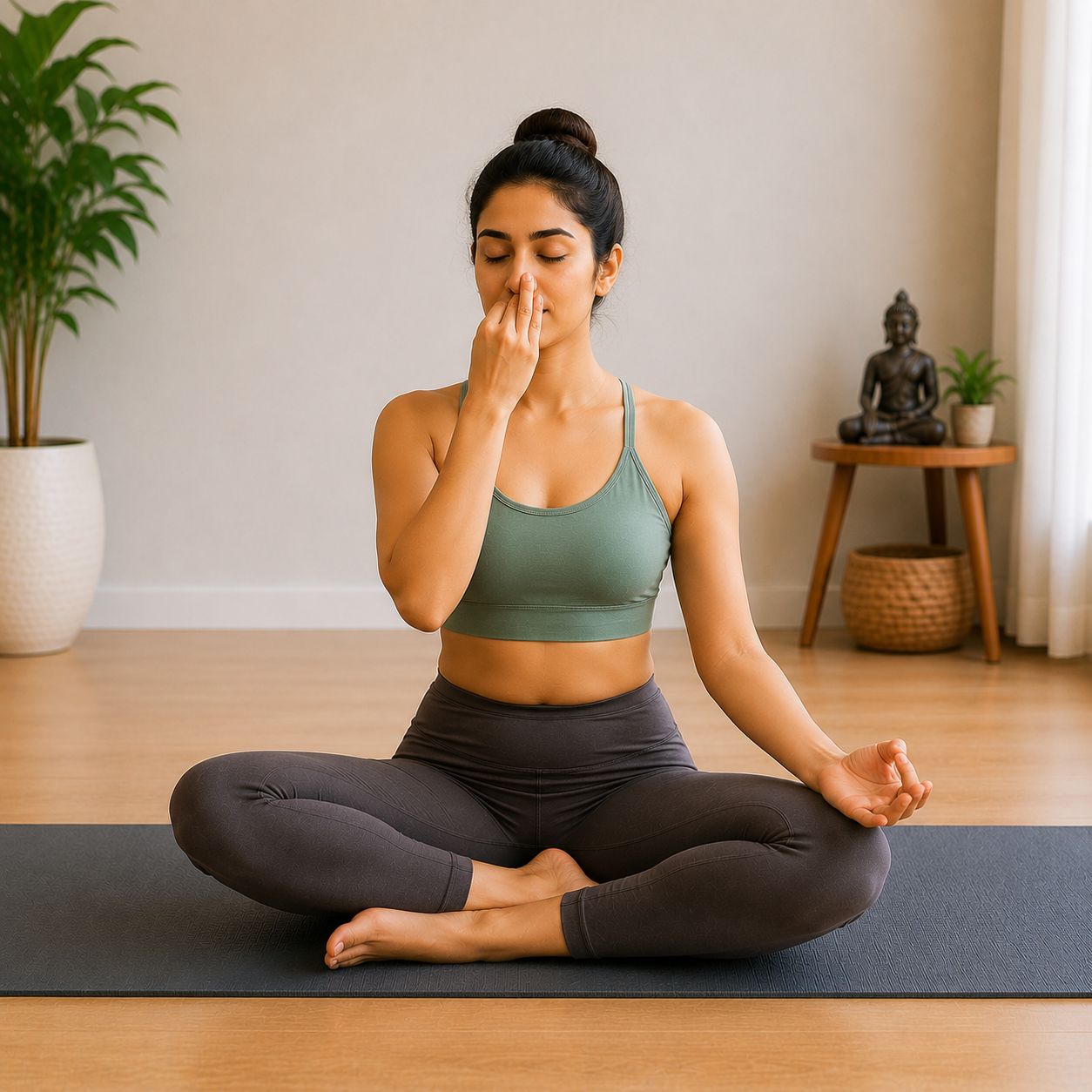
Breath is the fastest gateway to the autonomic nervous system. These three pranayama techniques directly address the hormonal and emotional roots of PCOS:
Nadi Shodhana — Alternate Nostril Breathing
Sit comfortably. Close your right nostril with your right thumb and inhale slowly through the left. Then close the left nostril with your ring finger, release the right, and exhale through the right. Continue alternating for 5–10 minutes. This technique balances the left and right brain hemispheres and has a measurable calming effect on the hormonal axis.
Kapalabhati — Skull Shining Breath
Sit upright. Take a deep inhale, then exhale forcefully through the nose in short, sharp bursts while drawing the belly in. Repeat at a rhythm of 1 exhale per second for 30–60 counts. Kapalabhati stimulates digestion, improves liver function, and helps burn abdominal fat — all directly beneficial for PCOS.
Bhramari — Bee Breath
Close your eyes and block your ears with your thumbs. Inhale deeply, then exhale while producing a low humming sound like a bee. Repeat for 5–7 cycles. Bhramari activates the vagus nerve, reduces cortisol almost immediately, and promotes emotional calm — making it a frontline tool for PCOS-related anxiety.
Yoga Nidra & Mindfulness Meditation: The Missing Piece
Stress is not just a trigger for PCOS — it is an active maintainer of its symptoms. Yoga Nidra (yogic sleep) is a guided deep-relaxation practice that brings the brainwaves to a theta state — the borderline between waking and sleep — while keeping you fully conscious. In this state, the body heals, stress hormones drop, and the hormonal system recalibrates.
Practise Yoga Nidra for 20–30 minutes, 3–5 times per week. Combine it with 10–15 minutes of daily mindfulness meditation — simply sitting, observing your breath, and gently returning attention when it wanders. Over weeks, this rewires the stress response at its neurological root.
Lifestyle Habits That Amplify Your Yoga Practice
- Eat a PCOS-friendly diet: whole grains, lean protein, healthy fats, and fibre-rich vegetables and fruits. Limit refined sugar and processed foods — they worsen insulin resistance directly.
- Hydrate consistently: aim for 2–3 litres of water daily to support metabolism and hormone detoxification through the liver.
- Protect your sleep: 7–8 hours of consistent sleep every night is non-negotiable for hormonal regulation — poor sleep spikes cortisol and ghrelin (hunger hormone) simultaneously.
- Move gently between sessions: light walking or swimming on non-yoga days keeps metabolism active without triggering the cortisol spike of intense exercise.
- Limit caffeine and alcohol: both disrupt hormonal signaling and interfere with the deep sleep your body needs for recovery.
Safety precautions
Avoid poses that cause abdominal pain or strain. If you are pregnant, consult your doctor before attempting any asanas. Always warm up for at least 5 minutes before your practice begins. If you have severe endometriosis, fibroids, or other reproductive conditions alongside PCOS, work directly with a certified yoga therapist who has PCOS experience.
The bottom line
Yoga isn’t a miracle cure for PCOS — but it may be the most powerful thing you add to your management plan. When practised consistently, even 20–30 minutes per day can visibly improve cycle regularity, reduce stress-driven flare-ups, support healthy weight, and restore a sense of calm control over your own body. Combined with medical care and conscious lifestyle choices, yoga becomes not just an exercise routine — it becomes a daily act of self-healing.


